How to Keep Your Sourdough Starter Healthy: A Simple Guide for Bakers
Maintaining a healthy sourdough starter is essential for anyone who wants to bake delicious, authentic sourdough bread at home or in a small business. But many bakers—especially beginners—find it challenging to keep their starter alive and thriving. Fortunately, with the right tools and knowledge, you can simplify this process and ensure your starter remains strong and active.
What Is a Sourdough Starter?
A sourdough starter is a fermented mixture of flour and water that contains wild yeast and lactic acid bacteria. These natural microorganisms feed on the sugars in the flour, producing carbon dioxide (which helps bread rise) and organic acids (which give sourdough its characteristic tangy flavor). Unlike commercial yeast, which relies on packaged strains, sourdough starters are unique because they capture local microbes from the environment and flour used during the feeding process.
Why It Matters
The health of your sourdough starter directly impacts the quality of your bread. A well-maintained starter leads to better fermentation, resulting in improved flavor, texture, and rise in your loaves. On the other hand, an underfed or neglected starter may become sluggish or even die out, leaving you unable to bake until it's revived—which can be time-consuming and frustrating.
Common Challenges in Maintaining a Sourdough Starter
- Forgetfulness: Regular feeding is crucial, but it’s easy to miss a day, especially when life gets busy.
- Inconsistent Results: If not fed properly or stored correctly, your starter may behave unpredictably, leading to failed batches of bread.
- Lack of Clarity: There are many opinions about how to care for a sourdough starter, making it difficult to know what approach is best.
Myths vs. Facts
There are several misconceptions about sourdough starters that can lead to confusion. For example:
- “I need special equipment.” – While some tools can help, all you really need is a jar, spoon, and flour.
- “It must always be kept at room temperature.” – You can store your starter in the refrigerator to slow down fermentation if you're not baking daily.
- “If it smells bad, I should throw it away.” – A slightly sour or vinegary smell is normal. However, if it smells like alcohol or rotten eggs, it might be off-balance and needs attention.
Introducing the Sourdough Starter Instructions Template
To help bakers stay organized and maintain their starters effectively, we’ve created the Sourdough Starter Feeding Guide Template. This printable resource offers a structured, step-by-step approach to feeding your starter, ensuring consistency and reducing the risk of mistakes.
What’s Included in the Template?
This template is designed to be user-friendly and informative. Here’s what you’ll find inside:
- Feeding Schedule: Clear instructions on how often to feed your starter based on usage frequency and storage conditions.
- Measurement Guidelines: Helps you determine the correct ratios of flour and water depending on whether you prefer a wet or dry starter.
- Storage Tips: Advice on how to store your starter in both active and inactive states.
- Revival Steps: If your starter has gone dormant or isn’t performing well, the template includes a simple revival method to bring it back to life.
- Notes Section: Space to record observations such as bubbling activity, smell, and changes in volume over time.
How to Use the Sourdough Starter Feeding Guide Template
Using the template is straightforward. Whether you're just starting out or have been baking with sourdough for years, it serves as a helpful reference to keep everything consistent.
Step 1: Print the Template
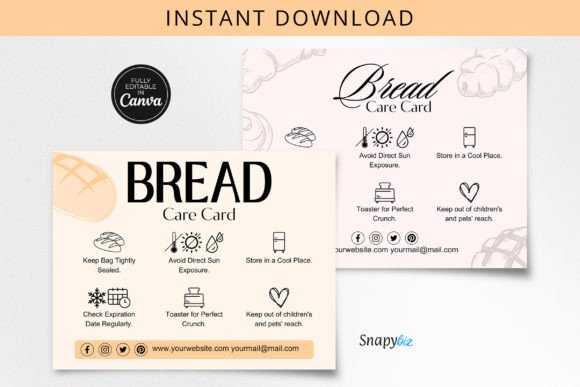
The Minimalist Design Small Business CC-284 card is formatted to fit standard card sizes, so printing is hassle-free. Simply download the template, print it, and place it near your starter for quick access.
Step 2: Understand Your Starter’s Needs
Every starter behaves differently, depending on factors like the type of flour used, ambient temperature, and humidity levels. The template provides general guidelines but also encourages customization based on your specific situation.
Step 3: Feed Regularly
Feeding your starter every 12–24 hours while it's active keeps the yeast and bacteria happy. When refrigerated, feeding once a week is usually enough. The template walks you through each feeding session, including how much to discard and how much to add.
Step 4: Monitor Activity
Use the notes section to track when your starter doubles in size after feeding, becomes bubbly, or starts to fall. These signs indicate whether your starter is healthy or needs adjustment. Over time, this tracking helps you understand your starter’s rhythm and behavior.
Why a Printable Care Card Works for Home Bakers and Businesses
For home bakers, the Printable Bakery Care Card is a convenient way to remember key steps without relying solely on memory. It’s especially useful for those who are still learning the nuances of sourdough care.
For small businesses, such as bakeries or specialty food shops, having a clear and consistent feeding schedule ensures product quality and reduces waste. Employees can refer to the same guide, eliminating confusion and maintaining a reliable sourdough supply for daily use.
Design That Fits Any Kitchen
With its minimalist aesthetic, the template doesn’t just serve a functional purpose—it also complements your kitchen decor. Whether displayed on a fridge, countertop, or tucked into a recipe binder, it adds a touch of elegance while being incredibly practical.
Best Practices for Sourdough Starter Maintenance
Here are some tips to help you get the most out of your sourdough starter and the feeding guide template:
- Use Consistent Ingredients: Stick to one type of flour (or rotate between a few types) to avoid shocking the microbial ecosystem.
- Keep It at Room Temperature When Active: A warm spot, like on top of the fridge or near a window, will encourage faster fermentation.
- Discard Before Feeding: Discarding part of the starter before adding fresh flour and water prevents it from becoming too acidic or overgrown.
- Label and Store Properly: Always label your jar clearly and cover it securely to prevent contamination or spills.
- Be Patient: Building a mature starter takes time, but regular care and observation will pay off with better results.
Real-Life Applications of the Sourdough Starter Template
Let’s look at how different users benefit from using this template in their daily lives:
Home Bakers
Imagine waking up early on a weekend morning ready to bake a fresh loaf of sourdough bread. Without a feeding schedule, you might wonder if your starter is ready to use. With the template, you can easily check the last feeding date and determine if it's at peak activity. This eliminates guesswork and saves time.
Bakery Owners
Running a bakery requires precision and consistency. By implementing the feeding guide as part of staff training, bakery owners can ensure that the sourdough starter is maintained properly by everyone on the team. This leads to uniform bread quality and fewer issues with dough rising or flavor development.
Cooking Classes and Culinary Students
Teaching sourdough baking can be tricky when students have varying schedules and levels of experience. Providing them with a printed feeding guide ensures they follow the same protocol, helping them build confidence and skills more quickly. It also makes it easier to troubleshoot problems during class sessions.
Baking Enthusiasts & Gift Ideas
Whether you're giving it as a gift for a holiday or birthday, the Minimalist Design Small Business CC-284 card is a thoughtful addition to any baker’s collection. It shows you care about their passion and supports their journey into the world of sourdough baking.
Benefits of Using a Sourdough Starter Feeding Guide
Adopting a structured feeding plan with a visual aid like our template offers multiple benefits:
- Saves Time: No more second-guessing what to do next. Everything is laid out clearly.
- Ensures Consistency: A regular feeding routine means a stable starter, which translates to better baking outcomes.
- Improves Bread Quality: A healthy starter produces flavorful, well-risen bread that customers and family love.
- Supports Education: Beginners can learn by following the guide, while experienced bakers can refine their techniques.
- Encourages Creativity: With a reliable starter, you’re free to experiment with different flours, hydration levels, and baking methods.
Conclusion: Make Sourdough Baking Easier with a Feeding Guide
Maintaining a sourdough starter doesn't have to be complicated. With the right guidance, anyone can develop the skills needed to keep their starter healthy and productive. Our Sourdough Starter Instructions Template is a valuable tool for both personal and professional use, offering clarity, structure, and a touch of style to your baking routine.
Whether you're a casual home baker or managing a small business, investing in a good care system pays off in the long run. Not only does it make the process more efficient, but it also enhances the joy of creating something truly homemade with a living ingredient that evolves with you.
Ready to take your sourdough game to the next level? Grab your Sourdough Starter Feeding Guide Template today and start baking with confidence!