Beautiful Mushrooms and Grass Drawing: A Versatile Asset for Creative Projects
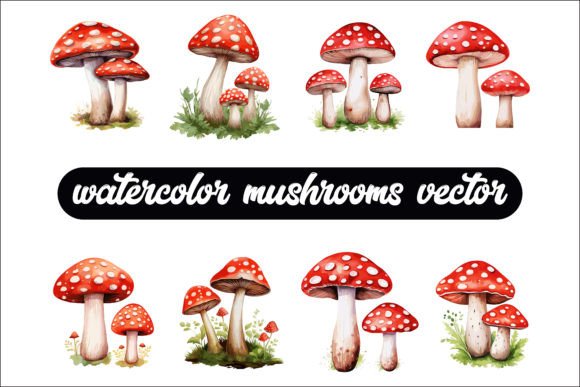
A beautiful mushrooms and grass drawing offers a delicate, elegant representation of nature that can elevate the visual appeal of numerous design projects. Whether you're an artist, marketer, or small business owner, this type of illustration provides a clean and organic element to your creative toolkit. Featuring hand-drawn details and a crisp white background, it lends itself well to both digital and print applications.
Understanding the Value of Minimalist Nature Illustrations
The beauty of minimalist illustrations lies in their simplicity and adaptability. A mushrooms and grass artwork on a white background is particularly effective because it allows the design to stand out without overwhelming other elements. This makes it ideal for use in branding, editorial content, packaging, and more. The natural motifs resonate with audiences seeking authenticity and eco-conscious themes.
Such artwork often includes 8 editable EPS files, 8 transparent PNGs, and 8 high-resolution JPGs. These formats give users flexibility in how they apply the illustrations—whether as vector graphics for scalable designs or as raster images for print-ready materials.
Preparation for Effective Use
Before incorporating a beautiful mushrooms and grass drawing into your project, consider its intended use case. Are you designing greeting cards? Then transparency and scalability are key. If you're creating art prints for home decor, high resolution and color fidelity matter most. Knowing your end goal helps determine which file format to prioritize.
Also, evaluate the style of the illustration. Does it match your brand’s aesthetic? Will it complement existing design assets? Answering these questions ensures that the artwork integrates smoothly rather than clashing with other visuals.
Integration Into Design Workflows
One of the strengths of a minimalist nature drawing is its seamless integration into various workflows. Here’s how it can be used across different stages:
- Before a Project: Use the artwork to inspire mood boards or set the tone for a design concept. Its organic feel can guide color schemes, typography choices, and overall layout decisions.
- During Development: Incorporate the illustration into mockups, prototypes, or drafts. For example, when building a website, place it subtly in headers or footers to add a touch of nature-themed elegance.
- After Completion: Repurpose the image for marketing materials, such as social media posts, email newsletters, or product packaging. It adds consistency to your visual identity while reinforcing your brand message.
Use Cases Across Industries
A hand-drawn mushrooms and grass illustration has broad appeal across multiple sectors. Here are some practical examples of where it fits:
- Art Prints: Frame the illustration as standalone wall art or blend it with other elements to create mixed-media prints. Its soft lines and earthy colors make it especially popular among interior designers and homeowners looking to bring nature indoors.
- Greeting Cards: The whimsical yet sophisticated look of mushrooms and grass works well for birthdays, thank-you notes, and wedding invitations. Pair it with thoughtful wording for a personalized touch.
- Stationery: Add the artwork to notecards, journals, or letterheads for a refined and natural appearance. It's perfect for businesses focused on sustainability, wellness, or lifestyle niches.
- Tote Bags: Print the design on reusable fabric bags to promote environmental awareness. Its subtle charm appeals to eco-conscious consumers without being too bold.
- Home Textiles: Apply the pattern to cushions, throws, or tablecloths. The white background keeps the design versatile for matching with different room styles and color palettes.
- Website or Blog Graphics: Use the illustration as a header or sidebar graphic for blogs about gardening, nature, or mindfulness. It enhances user experience by visually aligning with the content theme.
- Product Packaging: Feature the artwork on boxes or labels for items like herbal teas, skincare products, or artisanal foods. It conveys a sense of purity and connection to nature.
Working With File Formats
Having access to multiple file types—such as EPS, PNG, and JPG—means the elegant drawing of mushrooms and grass can be adapted for nearly any platform. Below are tips for working with each format effectively:
- EPS Files: These vector-based files are best for editing and resizing. Use them in Adobe Illustrator for layer adjustments, color changes, or customizing the composition before finalizing your design.
- PNG Files: Transparent PNGs are great for digital use, allowing the illustration to overlay on any background seamlessly. They work well for web banners, app interfaces, or layered digital compositions.
- JPG Files: High-resolution JPGs are suited for print applications. Ensure proper color calibration and bleed settings if using them for physical products like posters or packaging.
For those unfamiliar with vector tools, don’t worry—PNGs and JPGs offer a straightforward way to implement the design without needing advanced software. However, using the EPS version unlocks full customization potential, making it valuable for designers who want to tailor the artwork to specific needs.
Design Workflow Examples
Here are two real-world workflow scenarios showing how the mushrooms and grass artwork can be applied:
Scenario 1: Brand Launch for an Eco-Friendly Product Line
In the early planning phase, a small business owner selects the beautiful mushrooms and grass drawing as part of their brand identity. They use the EPS file to adjust the colors so they align with the company’s palette. Later, during packaging development, they apply the JPG version to label designs and product inserts. Finally, after launch, they repurpose the PNG for social media posts and influencer collaborations.
Scenario 2: Interior Designer Creating a Nature-Inspired Room Theme
An interior designer begins by sourcing the artwork as a central visual element. They incorporate the PNG version into digital mood boards shared with clients. Once the project moves forward, they order canvas prints using the high-res JPGs and suggest adding mushroom and grass-themed cushions to the living space. The versatility of the illustration supports every stage from concept to execution.
Practical Tips for Long-Term Use
To maximize the utility of a beautiful mushrooms and grass drawing, follow these guidelines:
- Organize Your Files: Keep all versions (EPS, PNG, JPG) clearly labeled and stored in an accessible folder. This avoids confusion when selecting the right format for a given task.
- Maintain Consistency: If using the artwork in multiple contexts, ensure the visual treatment remains consistent. For instance, avoid drastically altering the color unless it serves a specific purpose.
- Consider Scalability: Always test how the illustration looks at different sizes. A small icon might lose detail, while a large banner could appear flat. Adjust accordingly based on the platform or medium.
- Pair Thoughtfully: Let the artwork breathe by pairing it with minimal text or complementary imagery. Overloading the design can diminish its impact and clarity.
Compatibility and Quality Control
When using the artwork in professional settings, compatibility and quality control are essential. Confirm that your design software supports the file types you plan to use. Also, review the final output on screen and in print to ensure it meets your standards. Pay attention to line clarity, color accuracy, and background transparency, especially if printing on textured surfaces or dark-colored materials.
For digital platforms, run tests on mobile devices and browsers to verify that the illustration displays correctly. Transparency issues can sometimes arise depending on the device or platform, so it's wise to check cross-device performance before publishing.
Conclusion: Elevating Projects with Nature-Inspired Art
A beautiful mushrooms and grass drawing isn't just a decorative asset—it's a strategic component in many creative processes. From branding and packaging to stationery and digital content, it brings a touch of elegance and natural charm that resonates with modern audiences. By understanding its file formats, use cases, and integration methods, you can leverage this artwork to enhance your projects with minimal effort and maximum impact.
Whether you're a freelancer looking to streamline your design workflow or a business owner aiming to build a cohesive brand, this illustration provides a reliable and stylish solution. Its adaptability ensures it remains relevant across platforms, while its clean aesthetic supports long-term usability in diverse contexts.